
How to Build a Portfolio That Gets You Hired: Even Without a Degree
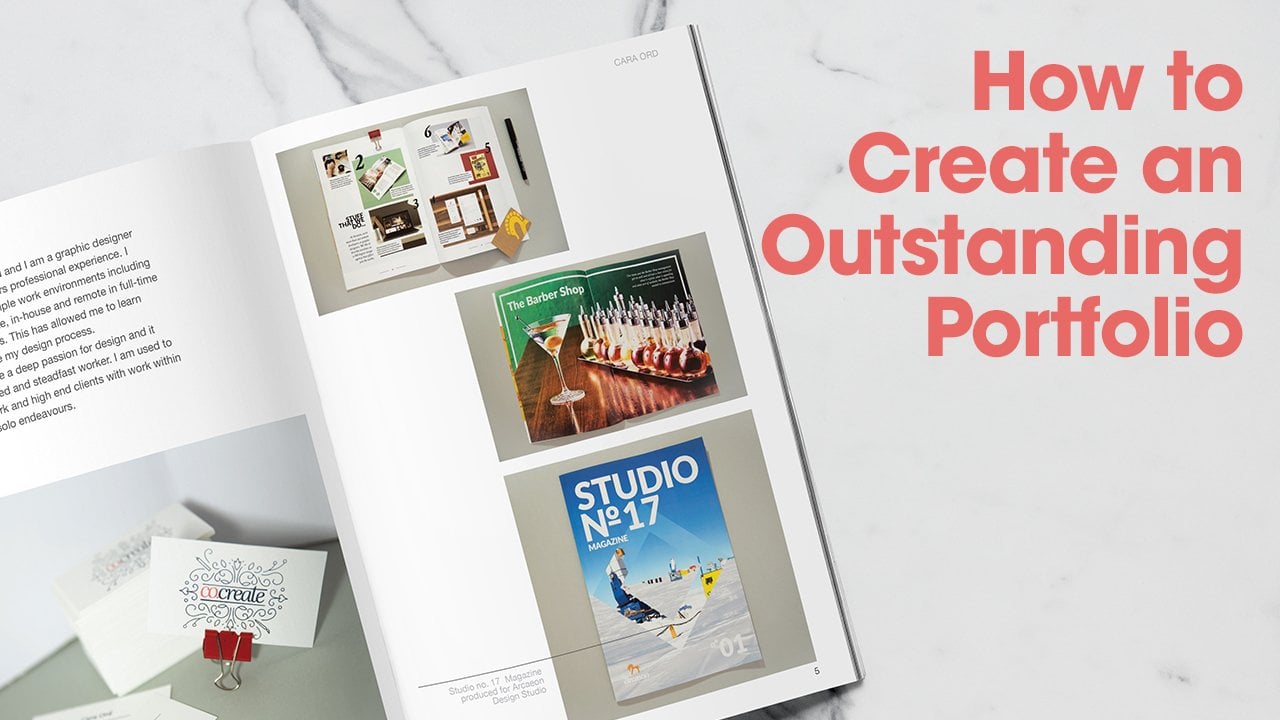
In today’s competitive job market, a degree is no longer the only ticket to landing your dream job. While higher education can certainly be an asset, many industries—especially those in creative fields like design, writing, and web development—are increasingly placing more value on practical skills and real-world experience. So, how do you prove your worth without a degree? The answer lies in building a compelling portfolio that showcases your skills, expertise, and dedication.
This guide will show you how to create a portfolio that not only stands out but also gets you hired—even if you’re starting from scratch without a degree.
The Power of a Portfolio: Why It Matters More Than a Degree
First things first: why does a portfolio matter so much? A portfolio is more than just a collection of work samples; it’s your personal brand, a visual résumé that allows you to demonstrate your abilities and showcase what you can do, rather than just telling potential employers about them.
Unlike a traditional résumé or CV, which relies on formal education, job titles, and years of experience, a portfolio lets your work speak for itself. It’s your chance to highlight your strengths, creativity, and problem-solving skills—traits that are far more important to employers in many fields than academic credentials.
According to a survey conducted by LinkedIn in 2026, 56% of hiring managers in creative and tech fields said they prioritize portfolios over formal education when evaluating candidates. (LinkedIn, 2026)
Step 1: Identify Your Niche
The first step in building a portfolio that gets you hired is figuring out your niche. Your niche is the specific area of expertise you want to be known for, and it’s crucial because it helps you target your efforts and position yourself as an expert. Here are some questions to consider:
- What are you passionate about?
Whether it’s web design, copywriting, social media management, or another field, passion is often the best starting point for success. - What are you good at?
Identify your strengths. If you’re a beginner, take some time to experiment with different areas to see what resonates most with your skillset. - What’s in demand?
Research the current job market to understand what skills employers are actively seeking. This could be anything from content creation to data analysis or software development.
Once you’ve identified your niche, make sure your portfolio focuses on showcasing your expertise in that specific area. By doing this, you’ll not only attract more relevant opportunities but also position yourself as a specialist, making it easier to stand out in a crowded job market.
Step 2: Start Small: But Show Your Best Work

When you’re just starting out, it can feel like you have little to show in your portfolio. But don’t let that discourage you. The key is to start small and focus on quality over quantity. You don’t need dozens of pieces to showcase your talent. In fact, a few well-executed projects are far more effective than a large quantity of mediocre work.
Here are some ways to get started:
- Create Personal Projects: If you don’t have clients yet, work on projects for yourself. Design a website, write a blog, or create a brand from scratch. These personal projects will show your initiative and creativity.
- Offer Free or Discounted Work: Many beginners get their foot in the door by offering their services at a lower price or even for free in exchange for testimonials and portfolio pieces. This is especially common in fields like writing, design, and digital marketing.
- Volunteer Your Skills: Non-profit organizations often have limited budgets and are in need of free help. Volunteering your skills for a cause you believe in not only allows you to build your portfolio but also makes you feel good about your work.
Here’s a table to summarize potential sources for portfolio work:
| Portfolio Source | Example | Benefits |
|---|---|---|
| Personal Projects | Blog posts, personal websites | Showcase your creativity and initiative |
| Freelance/Client Work | Paid or unpaid freelance gigs | Builds credibility and real-world experience |
| Volunteer Work | Non-profit websites, charity campaigns | Gives back while gaining work samples |
| Competitions/Challenges | Design contests, coding challenges | Great for building confidence and recognition |
Step 3: Structure Your Portfolio for Maximum Impact
The structure of your portfolio is critical. It needs to be visually appealing, easy to navigate, and most importantly, it should focus on showcasing your best work. Here’s a breakdown of what your portfolio should include:
- A Clear Introduction
Start with a simple and engaging introduction. Include a brief bio that highlights your skills, experience, and goals. Even though you don’t have a degree, you can focus on your passion, growth, and dedication to learning. - Case Studies/Project Breakdown
For each project in your portfolio, provide a short case study or explanation of your process. This helps potential employers see not just the final result but the way you approach problems and solve them. Make sure to include the following:- Problem statement
- Your solution
- Tools/technologies used (if relevant)
- The outcome or results of your work
- Testimonials and References
If you have any feedback from previous clients, colleagues, or mentors, include it in your portfolio. Positive testimonials add credibility and build trust with potential employers. - Contact Information
Make it easy for employers to reach out to you by providing clear contact details. A professional email address, LinkedIn profile, or even a contact form on your website is essential.
Step 4: Optimize Your Portfolio for Search and Visibility
Having a portfolio is great, but it’s only effective if people can find it. This is where search engine optimization (SEO) comes into play. Here are a few ways to ensure your portfolio gets seen:
- Use Relevant Keywords: Make sure your portfolio website includes the right keywords related to your skills and niche. For example, if you’re a freelance web developer, use terms like “freelance web development” or “front-end development” throughout your site.
- Share Your Portfolio on Social Media: Don’t just sit back and wait for employers to find your portfolio—share it on LinkedIn, Twitter, and Instagram to increase your reach.
- Join Portfolio Platforms: There are many online portfolio platforms such as Behance, Dribbble, and GitHub (for developers) that give your work exposure to a broader audience.
For more insights on optimizing your portfolio for SEO, you can check out this SEO guide for freelancers.
Step 5: Keep Updating Your Portfolio Regularly

A portfolio is not a static entity. As you gain more experience, work with new clients, or develop new skills, it’s essential to update your portfolio regularly. Keep your most recent and relevant projects at the top, and remove older work that no longer reflects your capabilities.
Conclusion: You Don’t Need a Degree, Just a Great Portfolio
In today’s competitive job market, your portfolio can be your greatest asset. By focusing on showcasing your skills and experience—rather than relying on a degree—you can build a portfolio that gets you hired. Whether you’re a designer, writer, developer, or any other type of professional, the key is to start small, continuously improve, and showcase your best work.
Building a portfolio takes time and effort, but the rewards are well worth it. So, get started today, and watch as your portfolio opens doors to exciting job opportunities.
Suggested External Links:
- How to Build a Powerful Portfolio – Learn expert tips on creating an impactful portfolio that will attract employers.
- SEO Guide for Freelancers – A comprehensive guide on optimizing your portfolio for search engines.






1 comment
How are you?