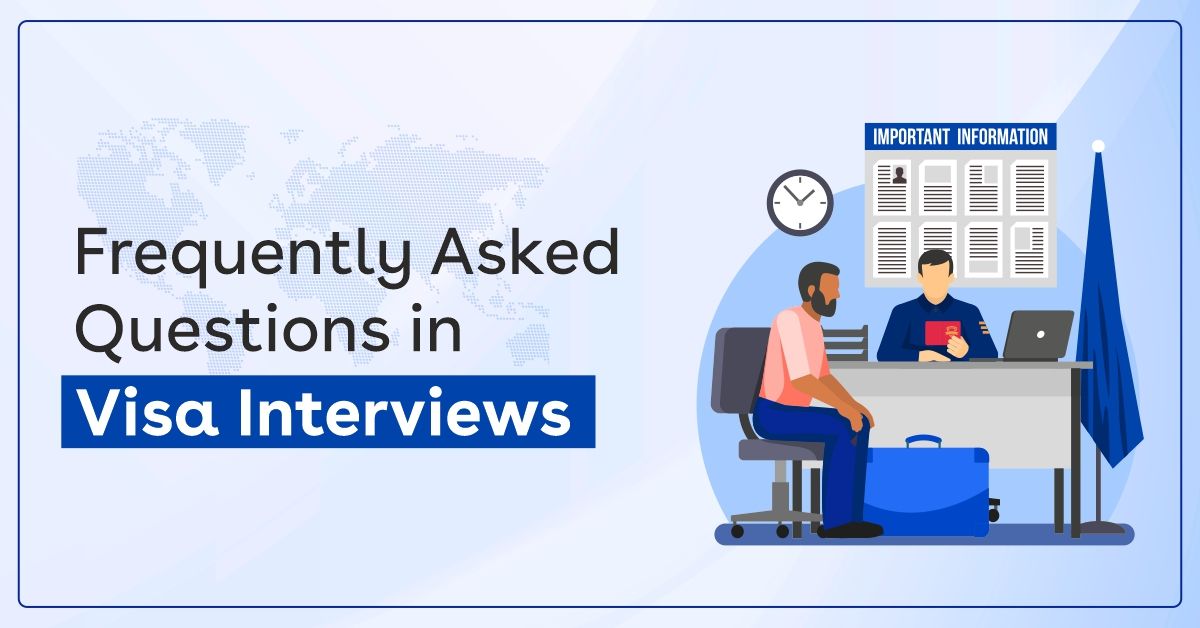
Introduction: Secret Questions From Visa Interviews Abroad
Stepping into an embassy or consulate for a visa interview can feel like walking into an exam you did not study for. Most applicants expect the standard queries “Why are you studying abroad?” or “What is your course of study?” but many are caught off guard by subtle, deeper questions that can determine the outcome of their travel applications.
In 2026, immigration officials are not just checking paperwork, they are gauging sincerity, intent, and clarity. Beyond the routine, there are secret questions from visa interviews abroad that surface when officers want to understand intent more deeply. Knowing how to anticipate these questions and answer confidently can make the difference between approval and disappointment.
In this article, we will explore:
-
Why immigration officials ask secret or unexpected questions
-
Common hidden questions in student, work, and residency visa interviews
-
How to answer visa interview questions confidently and authentically
-
A comparison table of expected versus unexpected questions
-
Practical strategies to prepare effectively
Along the way, we will reference authoritative visa information, including official resources on interview expectations such as the U.S. official visa interview preparation https://travel.state.gov/content/travel/en/us-visas/visa-information-resources/interview/prepare-for-your-visa-interview.
 How to Get a Visa for Study Abroad Without an Agent in 2026 (Avoid Scams & Save Money).
Why There Are Secret Questions From Visa Interviews Abroad
At the heart of immigration interviewing is one fundamental goal: to evaluate the applicant’s intentions and credibility.
Standard questions verify documentation and basic facts. Officials already know your name, course, and passport details from the application. But when they ask unexpected questions, they are probing deeper to assess:
-
Whether you truly understand your chosen path
-
Whether you have realistic plans and motives
-
Whether you have strong ties to your home country
-
Whether your answers are consistent and authentic
Visa interviews are less about “testing knowledge” and more about understanding your story.
For example, official documentation from the UK’s visa support services outlines that consular interviews assess “genuine intent” and applicants’ understanding of their circumstances (including financial capability, course relevance, and future plans). Understanding this helps applicants frame their responses with clarity and intention.
Common Visa Interview Questions Abroad and How to Answer Them Confidently
Below are categories of questions you may encounter, along with example responses that demonstrate confidence and honesty without sounding robotic.
1. Basic Background Questions
These are expected, and you should answer clearly and concisely.
Examples:
-
“What is your full name and date of birth?”
-
“Have you ever been to [destination country] before?”
-
“Why did you choose this university/program?”
How to Answer Confidently:
Speak slowly and clearly. Confirm that your details match your passport and application.
Example:
“My name is Aisha Oladele. I was born on June 5, 2003. I chose Global University because its renewable energy programme aligns with my background in environmental science and my long-term goal to support sustainable development in Nigeria.”
2. Intent and Motivation Questions
These reveal your true purpose for seeking a visa.
Examples:
-
“Why did you choose this country for your studies?”
-
“How does this programme fit into your long-term career plan?”
How to Answer Confidently:
Connect your academic choice to your personal and professional aspirations.
Example:
“I chose the UK because of its strong research culture in artificial intelligence. My goal is to return home and contribute to Nigeria’s emerging tech ecosystem, using the skills I develop during my master’s.”
Secret Questions From Visa Interviews Abroad: Unexpected Yet Common
Hidden or secret questions are those that officials ask to test consistency, logic, or readiness. They may seem unrelated but are purposeful.
1. “Who Will Pay for Your Education and Living Expenses?”
This question tests financial clarity. Rather than simply naming a sponsor, outline how funds will cover tuition, living costs, and emergencies.
Good Answer Structure:
-
State the sponsor
-
Confirm source of funds
-
Provide evidence if available
Example:
“My tuition will be covered by my parents, who have supported my education for years. Their bank statements, which I submitted, show consistent savings that cover both tuition and living costs for the duration of my programme.”
2. “What Will You Do After You Finish Your Studies?”
This question tests your long-term planning and intent to return home (for student visas).
Example:
“After my programme in data science, I plan to work with a tech startup in Lagos to help them build analytics systems. I’ve already spoken with contacts in the industry who are interested in my expertise.”
3. “Why Not Study in Your Home Country?”
This digs into your motive for studying abroad rather than locally.
Example:
“While there are strong programmes in my country, the specialized course I’m pursuing is only offered at top Tier 1 universities abroad, where access to cutting-edge laboratories and international industry partnerships will greatly enhance my learning.”
4. “What if You Don’t Get a Job After Graduation?”
This tests your realistic planning and resilience.
Example:
“I have planned to network with local industry partners and use university career services to explore employment opportunities. I also have a plan to consult and support local companies on a contract basis if full-time employment takes longer.”
5. “Who Are Your References?”
Consular officers may ask about academic or professional references to gauge consistency.
Good Answer:
-
Name the referee
-
State their relationship to you
-
Clarify credentials
Example:
“Dr. Adebayo supervised my final year project on climate modelling at the University of Lagos. He can speak to my research capabilities and academic discipline.”
Table: Expected vs Secret Visa Interview Questions
| Type of Question | Example | Purpose |
|---|---|---|
| Expected | “What is your course of study?” | Validate basic application facts |
| Expected | “When does your programme start?” | Confirm timeline accuracy |
| Secret | “Why not study in your home country?” | Test intention and planning |
| Secret | “Who is funding your education?” | Assess financial clarity |
| Secret | “What will you do if you don’t get a job?” | Evaluate realistic planning |
| Secret | “Who are your references?” | Cross-check reliability |
This table helps you anticipate and prepare for both familiar and hidden questions.
How to Answer Visa Interview Questions Confidently
Confidence in visa interviews comes from preparation. Here are practical techniques.
1. Practice With a Friend or Mentor
Rehearse answers aloud. This builds fluency and reduces anxiety.
2. Know Your Application Inside Out
Officers may pull details from your application unexpectedly — be consistent with your submitted information.
3. Keep Answers Short and Relevant
Long or rambling responses can cause confusion. Keep your answers clear.
4. Stay Calm and Respectful
Interviewers appreciate sincere and composed applicants.
5. Bring Supporting Documents
Even if not requested, having original documents reinforces credibility.
Common Mistakes International Students Make in Visa Interviews

Understanding common pitfalls helps you avoid them.
1. Memorizing Scripted Answers
Avoid robotic responses.
Instead, prepare key points and speak naturally.
2. Not Understanding the Visa Rules
Visa decisions depend on regulations. Familiarize yourself with official criteria U.S. official visa interview preparation https://travel.state.gov/content/travel/en/us-visas/visa-information-resources/interview/prepare-for-your-visa-interview.html
3. Inconsistent Information
If your personal statement says one thing and your interview answer says another, officers may doubt your intent.
4. Lack of Confidence
Uncertainty in responses can be interpreted as lack of purpose.
Preparation builds confidence.
5. Failing to Provide Clear Financial Plans
Not being able to explain how you will fund your studies and expenses is a common reason for refusal.
Be specific and prepared with evidence.
Real Stories: How Students Answered Secret Visa Questions and Were Approved
Hearing from others who succeeded adds practical insight.
Case 1: Nigerian Student and UK Visa
When asked, “Why not study locally?” she explained:
“My course in renewable energy is part of a specialized lab exchange between my home university and the UK institution…”
Clarity and specific partnership details showed commitment and planning.
UK student visa requirements and guidance https://www.gov.uk/student-visa
Case 2: Indian Student and U.S. Visa
When asked, “What will you do if job opportunities are limited?” he responded:
“I intend to work with start‑ups in the U.S. on OPT, and then support local businesses in India with that experience after my programme.”
This answer showed realistic planning and cultural commitment.
How Interviewers Evaluate Your Answers
Interviewers look for three main things:
-
Consistency — your answers match your application
-
Clarity — you can express your goals logically
-
Intent — your reason for travelling is genuine
If you demonstrate these clearly, your chances of approval improve significantly.
Preparing for Visa Interviews: Practical Checklist
Before your interview, ensure you have:
-
Valid passport
-
Printed application and confirmation
-
Financial statements
-
Acceptance letter
-
Resume or CV
-
Reference letters
-
Clear responses to potential questions
Why Understanding Visa Interviews Matters for Your Future
Visa interviews are not just procedural hurdles. They are opportunities to:
-
Clarify your goals
-
Demonstrate maturity and planning
-
Highlight your academic and personal strengths
-
Reassure officials of your sincerity
Your application tells your story. The interview brings it to life.
Conclusion: Mastering Secret Questions From Visa Interviews Abroad
Visa interviews can be intimidating — especially when unexpected questions arise. But these questions are not traps. They are probes designed to help officers understand your intent, preparation, and sincerity.
If you know:
-
What interviewers want to hear
-
How to answer with clarity
-
And how to connect your goals with your chosen path
You can answer visa interview questions confidently and authentically.
Preparation, honesty, and calm confidence are your three most powerful tools.
Approach your interview as a conversation — one that showcases your purpose and passion.
And remember, hundreds of thousands of students navigate visa interviews successfully every year. With thoughtful preparation, you can be one of them.