The Gig Economy Trap: How Many Side Jobs Don’t Pay Enough to Cover Student Loans
At first, the gig economy feels like freedom.
No boss. Flexible hours. Work when you want. Earn what you need.
For students and recent graduates burdened with loans, it sounds like the perfect solution: pick up a few side jobs, pay off debt, and stay financially afloat.
But here’s the uncomfortable truth many side jobs in the gig economy don’t pay enough to cover student loans, let alone build financial stability.
So what’s really going on?
Let’s unpack the reality behind the gig economy trap and what you can do to avoid it.
 Powerful Skills That Make You Future-Proof Against AI, Automation & 0utsourcing
Gig Economy Trap: The Promise vs Reality
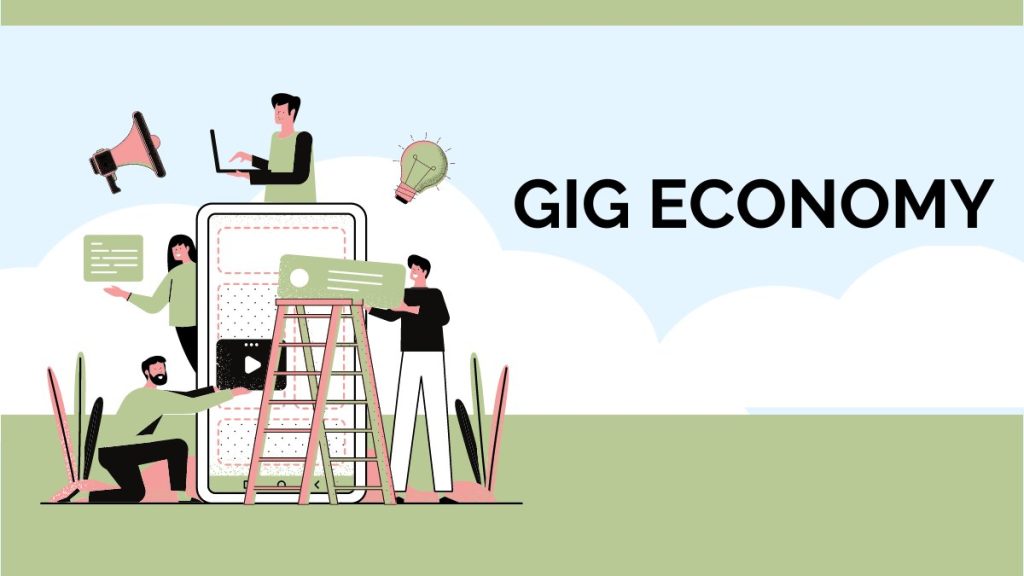
The gig economy has grown rapidly over the past decade. Platforms like ride-sharing apps, freelance marketplaces, and delivery services have made it easier than ever to earn money quickly.
But quick access doesn’t always mean sustainable income.
According to
https://www.pewresearch.org/internet/2021/12/08/the-state-of-gig-work-in-2021/
(anchor: state of gig work in 2021),
many gig workers report inconsistent earnings and financial instability.
The Promise
- Flexible work schedule
- Multiple income streams
- Easy entry
The Reality
- Low and unpredictable pay
- No job security
- Hidden expenses
Side Jobs and Student Loans: Why the Math Doesn’t Work
Let’s break it down simply.
Average Monthly Student Loan Payment
- $200 – $500 (or more for international students)
Typical Gig Earnings
- $5 – $20 per hour (after expenses)
Now factor in:
- Taxes
- Transport costs
- Platform fees
Suddenly, that “extra income” shrinks significantly.
Gig Economy Income vs Student Loans: A Clear Comparison
| Factor | Gig Economy Income | Student Loan Obligation |
|---|---|---|
| Income Stability | Unpredictable | Fixed monthly payment |
| Earnings Growth | Slow | Increasing with interest |
| Expenses | High (fuel, tools, fees) | None |
| Financial Pressure | Variable | Constant |
The mismatch is clear—variable income vs fixed debt is a dangerous combination.
Why Gig Jobs Don’t Pay Enough in the Long Run
It’s not just about low hourly rates.
Key Reasons
- High competition drives prices down
- Platforms take commissions
- Work is inconsistent
- No benefits (healthcare, insurance)
Insights from
https://www.mckinsey.com/featured-insights/employment-and-growth/gig-economy-powerful-trends-shaping-the-future-of-work
(anchor: powerful trends shaping the future of gig economy)
highlight that gig work often lacks the stability needed for long-term financial planning.
Hidden Costs That Make Gig Work Less Profitable
Many people overlook the real cost of gig work.
Common Hidden Costs
- Fuel and transportation
- Equipment maintenance
- Internet and tools
- Taxes (self-employed rates)
What This Means
Your “$15/hour” job might actually be closer to $8–$10/hour after expenses.
Student Loan Repayment Struggles in the Gig Economy
When income fluctuates, repayment becomes stressful.
Common Challenges
- Missing payments
- Accruing interest
- Financial anxiety
According to
https://www.forbes.com/advisor/student-loans/amazing-strategies-for-paying-off-student-loans/
(anchor: amazing strategies for paying off student loans),
inconsistent income is one of the biggest barriers to effective loan repayment.
The Psychological Impact of the Gig Economy Trap
This isn’t just financial—it’s emotional.
What Many Experience
- Burnout from working multiple gigs
- Stress from unstable income
- Feeling stuck despite working hard
Working more doesn’t always mean earning more.
Gig Economy Trap: The Illusion of Flexibility
Flexibility is often marketed as the biggest advantage.
But in reality:
- You may work longer hours
- You may accept low-paying jobs just to earn something
- You may struggle to say no
Flexibility without stability can become a trap.
When Side Jobs Actually Work (And When They Don’t)
Not all side jobs are bad.
Side Jobs That Work
- High-skill freelancing
- Consulting
- Digital services
Side Jobs That Struggle
- Low-skill gig work
- Delivery services
- Ride-sharing
Better Alternatives to Low-Paying Gig Jobs
If your goal is to pay off student loans, you need smarter strategies.
Better Options
- Learn high-income skills
- Build a freelance niche
- Seek remote full-time roles
- Combine gigs with stable income
Resources like
https://www.coursera.org/articles/high-income-skills-powerful-career-growth
(anchor: high income skills for career growth)
can help you transition into better-paying opportunities.
Gig Economy vs Stable Income: A Strategic Comparison
| Feature | Gig Economy Jobs | Stable Employment |
|---|---|---|
| Income Stability | Low | High |
| Growth Potential | Limited | Higher |
| Benefits | None | Included |
| Loan Repayment Ease | Difficult | Easier |
How to Escape the Gig Economy Trap
If you’re already in it, don’t panic.
Step-by-Step Exit Strategy
- Track your real income
- Identify higher-paying skills
- Reduce low-value gigs
- Transition gradually
Powerful Financial Strategies to Stay Ahead
To manage loans effectively:
Do This
- Prioritize loan payments
- Build an emergency fund
- Avoid relying solely on gigs
Research like
https://www.investopedia.com/powerful-ways-to-get-out-of-debt-fast-5197839
(anchor: powerful ways to get out of debt fast)
emphasizes structured financial planning over inconsistent income streams.
Real-Life Pattern: Why Many People Stay Stuck
Most people:
- Start gig work for flexibility
- Earn just enough to survive
- Struggle to scale income
- Stay stuck in the cycle
The Bigger Lesson: Income Quality Matters More Than Quantity
Working 3–4 gigs doesn’t always beat one stable job.
Focus On
- High-value work
- Skill development
- Long-term income growth
Final Thoughts: Rethinking the Gig Economy Dream
The gig economy isn’t inherently bad—but it’s often misunderstood.
It works best as:
- A temporary solution
- A supplement to stable income
- A stepping stone—not a destination
If your goal is to pay off student loans and build a stable future, you need more than flexibility—you need strategy.
Quick Recap Checklist
- Gig income is unpredictable
- Student loans are fixed
- Hidden costs reduce earnings
- Skill-based work pays better
- Strategy beats hustle