Introduction: How to Get a Visa for Study Abroad Without an Agent in 2026.
Every year thousands of students dream about studying abroad. They imagine walking through a new campus, meeting people from different cultures, and gaining an education that opens doors globally.
Yet one major obstacle stands between that dream and reality: the student visa application.
Because the process seems complicated, many students turn to visa agents or education consultants. While some agents are legitimate, many charge unnecessary fees, provide misleading information, or in worst cases run outright scams.
The truth is simple. You do not need an agent to apply for a study visa.
Most universities and governments encourage students to apply directly. Immigration authorities also publish clear guidelines online. If you follow the correct steps, you can complete the process yourself, save money, and avoid fraud.
For example, the official student visa requirements https://travel.state.gov/content/travel/en/us-visas/study.html Authoritative U.S. government visa information published by the U.S. Department of State clearly explains the entire process for international students.
This guide will walk you through everything you need to know about how to get a visa for study abroad without an agent in 2026, including:
-
Step by step application process
-
Documents you must prepare
-
Common visa scams students face
-
Tips for passing your visa interview
-
Practical advice from successful applicants
By the end, you will realize the process is much more manageable than it first appears.

How to Get a Visa for Study Abroad Without an Agent: Understanding the Basics
Before applying for a visa, it helps to understand how the system works.
A student visa allows international students to enter a foreign country for educational purposes. Each country has its own visa type and requirements.
For instance:
-
United States – F1 Visa
-
United Kingdom – Student Route Visa
-
Canada – Study Permit
-
Australia – Student Visa Subclass 500
Although the names differ, the core requirements are very similar.
Most countries require the following:
-
Admission into a recognised university
-
Proof of financial support
-
Valid passport
-
Visa application form
-
Visa fee payment
-
Biometrics or interview
According to the international student visa guide https://www.gov.uk/student-visa UK official visa instructions, students must demonstrate financial capacity and a confirmed university offer before applying.
Once you understand these core requirements, the process becomes much easier.
Step by Step Guide to Get a Visa for Study Abroad Without an Agent
Applying independently simply means following the official process carefully.
Below is the typical sequence most students follow.
Step 1: Secure Admission From a Recognised University
The visa process begins with admission.
Without a confirmed university offer, you cannot apply for a student visa.
After admission, universities usually provide an official document such as:
-
I-20 form (United States)
-
CAS letter (United Kingdom)
-
Letter of Acceptance (Canada)
-
Confirmation of Enrolment (Australia)
These documents prove that you are a legitimate student.
Step 2: Prepare Financial Evidence
Immigration authorities want to ensure you can support yourself during your studies.
Common financial documents include:
-
Bank statements
-
Scholarship letters
-
Sponsor affidavit
-
Education loan approval
-
Tuition payment receipts
Financial proof often covers:
-
Tuition fees
-
Living expenses
-
Travel costs
Strong financial documentation significantly improves visa approval chances.
Step 3: Complete the Online Visa Application
Most countries now use digital visa systems.
You will typically:
-
Create an online account
-
Fill the application form
-
Upload required documents
-
Pay visa fees
For example, students applying to Canada can complete the process through the Canada study permit application process https://www.canada.ca/en/immigration-refugees-citizenship/services/study-canada.html Trusted Canadian immigration source.
Completing the application yourself allows you to review every detail and avoid misinformation.
Step 4: Book Biometrics and Visa Appointment
After submitting your application, you may need to attend:
-
Biometrics appointment
-
Visa interview
-
Document verification
These appointments are usually scheduled at visa application centres or embassies.
Step 5: Prepare for the Visa Interview
Some countries require interviews to confirm that you are a genuine student.
Common questions include:
-
Why did you choose this university?
-
What course are you studying?
-
How will you fund your studies?
-
What are your career plans?
Clear and honest answers are essential.
Comparison Table: Applying for a Study Visa With or Without an Agent
| Factor | Applying Yourself | Using an Agent |
|---|---|---|
| Cost | Low, only visa fees | Often very expensive |
| Control | Full control over application | Agent handles documents |
| Transparency | Clear official guidelines | Risk of misinformation |
| Risk of Scams | Very low | Higher risk |
| Learning Experience | Understand immigration process | Limited understanding |
This comparison shows why many students prefer applying independently.
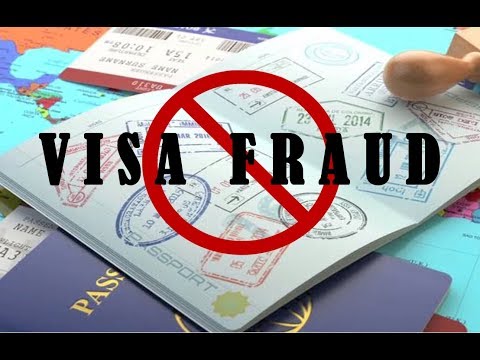
Common Visa Scams Students Must Avoid
Visa scams have increased significantly in recent years. Many students lose money because they trust unverified agents.
Here are some of the most common scams.
Fake Admission Letters

Some fraudsters sell fake university acceptance letters.
Warning signs include:
-
Unofficial email addresses
-
Requests for payment through personal accounts
-
Universities that do not appear on official education websites
Always verify admissions directly with the university.
Guaranteed Visa Promises
No legitimate agent can guarantee visa approval.
Visa decisions are made only by immigration officers.
If someone promises:
-
100 percent visa success
-
Special connections with embassies
-
Fast track visa approval
It is almost certainly a scam.
Fake Immigration Websites

Some websites imitate official immigration pages.
Always check the domain carefully.
Official websites usually end with:
-
.gov
-
.edu
-
.gc.ca
Never submit personal information on suspicious websites.
Smart Tips to Get a Visa for Study Abroad Without an Agent
Applying independently requires careful preparation. These tips can make the process smoother.
Start Early
Visa processing can take several weeks.
Starting early allows time to correct mistakes or provide additional documents if needed.
Follow Official Immigration Websites
Government websites provide the most accurate information.
Avoid relying solely on blogs or social media advice.
Organise Documents Properly
Prepare both digital and printed copies of:
-
Passport
-
Academic certificates
-
Financial documents
-
Admission letters
-
Identification documents
Well organised documents reduce stress during interviews.
Practise Visa Interview Questions
Confidence during the interview matters.
Prepare answers that clearly explain:
-
Your study goals
-
Why you chose the country
-
How the degree fits your career plans
Countries Where Students Easily Apply Without Agents
Many countries provide clear and student friendly visa systems.
These include:
Canada
-
Transparent immigration system
-
Online applications
-
Detailed government guidance
United Kingdom
-
Streamlined student visa route
-
Clear financial requirements
-
Efficient processing
Australia
-
Digital visa applications
-
Strong international student support
Germany
-
Affordable tuition fees
-
Straightforward visa requirements
Students often complete these visa applications themselves successfully.
Why Applying for a Study Visa Yourself Saves Money
Education abroad already involves significant expenses.
Agent fees can add unnecessary costs.
Typical agent charges include:
-
Visa consultation fees
-
Application processing fees
-
Documentation fees
-
Interview preparation charges
These can range from $500 to $5000 depending on the country.
Applying independently eliminates most of these costs.
Emotional Side of the Visa Process
The visa process can feel stressful.
Students often worry about:
-
Document mistakes
-
Visa rejection
-
Interview performance
However, preparation reduces anxiety.
Many students who applied independently report feeling more confident because they understood every step of the process.
What Happens If Your Visa Is Rejected?

Visa rejection is not the end of the journey.
Students can usually:
-
Reapply after addressing issues
-
Submit additional documents
-
Choose another intake period
Understanding the reason for rejection helps improve the next application.
Final Thoughts: Taking Control of Your Study Abroad Journey
Studying abroad is one of the most life changing experiences a student can pursue. It expands knowledge, builds global networks, and creates opportunities that last a lifetime.
The visa process might seem intimidating at first, but it is manageable when approached step by step.
Applying for a visa for study abroad without an agent gives you control over your application and protects you from unnecessary costs and scams.
Remember these key principles:
-
Always rely on official immigration websites
-
Verify every document carefully
-
Avoid agents who promise guaranteed visas
-
Start your application early
Thousands of students successfully apply for visas every year without any consultant assistance.
With the right preparation, you can do the same.