 The Student Housing Crisis Abroad: H0w to Secure Accommodation Before Arrival
Many borrowers choose income-driven repayment plans hoping to make paying back student loans manageable. But what if those income-based repayment plans are costing you more than necessary — sometimes without you even realizing it?
If you don’t fully understand how these plans work, you could end up paying far more interest over time, missing out on loan forgiveness, or inadvertently triggering payment shock. In this article, we’ll break down exactly how these repayment plans operate, where borrowers often go wrong, and what you can do to avoid unnecessary costs.
I’ve drawn on up-to-date, credible sources — including government guidelines and expert analysis — and embedded helpful links where relevant, so you can explore deeper if needed.
What Are Income-Based Repayment Plans?
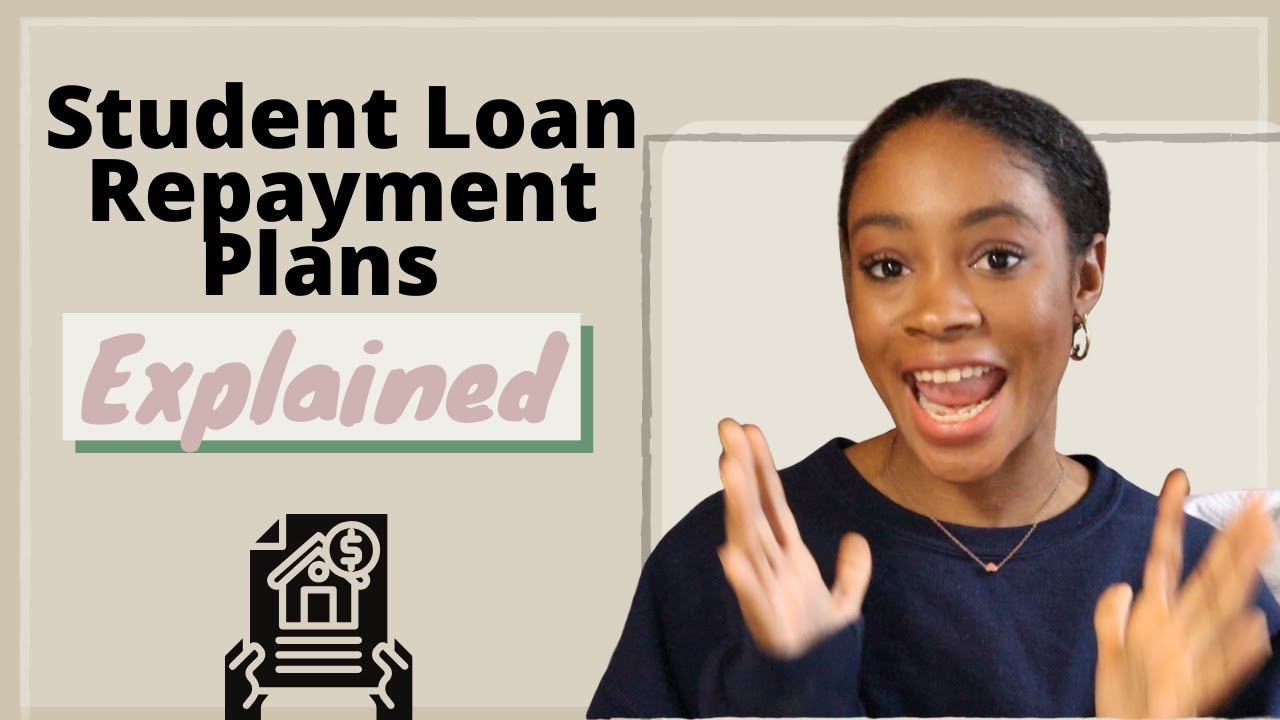
Income-based repayment plans (also known as income-driven repayment, or IDR) tie your monthly student loan payment to your income and family size rather than a fixed amount. (Consumer Financial Protection Bureau)
Here’s how it works:
- Your payment is calculated as a percentage (often 10–15%) of your discretionary income — that is, your income above a baseline threshold (usually 150% of the federal poverty line for your household size).
- The result is typically lower monthly payments, especially if your income is modest or variable. (US Student Loan Center)
- If you remain enrolled and recertify your income annually, the remaining loan balance may be forgiven after a set period — often 20 or 25 years. (Edfinancial Services)
Common plans include Income‑Based Repayment (IBR), Pay As You Earn (PAYE), Saving on a Valuable Education (SAVE), and Income‑Contingent Repayment (ICR).
At first glance, this seems ideal. But under the surface, small details can lead to substantial extra cost — or even overpayment. That’s why it’s worth evaluating whether your plan truly serves you.
Common Ways Borrowers Overpay Under Income-Based Repayment Plans
Even though IDR plans can make repayment easier, there are several pitfalls that cause borrowers to overpay, often without realizing it.
• Missing Annual Recertification
Each year, borrowers must submit income and family-size verification to stay on IDR. If you miss the deadline, your loan servicer may revert your loan to a standard repayment plan — significantly increasing your monthly payment. (Consumer Financial Protection Bureau)
More than half of borrowers sampled by authorities failed to recertify on time, triggering payment jumps and added financial strain.
• Interest Accumulation on Extended Terms
Because repayment stretches over 20–25 years (instead of the standard 10), you end up paying more interest overall. (NerdWallet)
Lower monthly payments may seem appealing, but over decades that interest adds up significantly.
• Forgiveness May Be Taxable
If your loan balance is forgiven after the repayment term, that forgiven amount can be taxed as income — unless special exemptions apply. (NerdWallet)
• Plan Changes and Policy Instability
Regulations around IDR plans are changing. For example, under recent legislation, several existing plans (PAYE, ICR, SAVE) may be phased out for future borrowers — leaving fewer options.
Borrowers may need to re-enroll or switch plans to avoid default or unfavorable terms.
• Underestimating Financial Impact of Income Changes
If your income increases, your payment increases too — but the loan balance remains. Without careful financial planning, borrowers may end up overpaying relative to their debt or delay forgiveness.
How to Evaluate If You’re Overpaying: Calculator-Based Check

Here’s a simple table and method to check whether your current loan plan is truly cost-efficient — or if you’re quietly overpaying.
Comparison Table: Sample Monthly Payments vs Standard Plan
| Annual Income (single borrower) | Standard 10-Year Plan Payment* | Estimated IBR Payment (10%)** | Estimated IBR Payment (15%)** |
|---|---|---|---|
| $30,000 | ~$300 | ~$0–50 | ~$0–70 |
| $50,000 | ~$500 | ~$150–200 | ~$225–270 |
| $70,000 | ~$700 | ~$300–350 | ~$450–520 |
| $90,000 | ~$900 | ~$450–500 | ~$675–750 |
* Standard plan payment approximated assuming a moderate loan balance.
** IBR payment based on discretionary income after poverty threshold adjustment. (Debt.org)
If your IBR payment—especially on the 15% option—is close to or exceeds the standard plan payment, the benefit of income-driven repayment may be minimal or even negative.
Step-By-Step Strategy: Avoid Overpaying Under Income-Based Repayment Plans
If you want to make sure your student loan repayment stays fair and effective, follow these steps:
1. Calculate Your Discretionary Income and Monthly Payment
Use a loan simulator or your own calculations. Compare IBR payments against the standard 10-year plan payment — if they’re similar, you may pay less in total under the standard plan, especially if you can afford higher monthly payments.
2. Recertify Income and Family Size On Time Every Year
Set reminders ahead of the recertification deadline. Missing it can cause an automatic payment increase. Always file even if nothing changed financially — it’s required. (Consumer Financial Protection Bureau)
3. Reassess If Your Income Rises
If your salary improves, re-calculate. Higher income usually means higher monthly payments — which over a long term may mean more total repaid than under the standard plan.
4. Evaluate Loan Forgiveness and Tax Implications
If you expect to receive forgiveness at the end of repayment, check today’s and future tax laws. Forgiven debt may count as taxable income, increasing your future tax burden. (NerdWallet)
5. Choose the Right Plan — or Refinance
If your IBR payments are near standard-plan levels, consider refocusing on paying the loan off faster — or, if possible, refinance to a private loan with better terms (but only if that works for you).
6. Keep Detailed Documentation
Keep yearly records of income, payment amounts, recertifications, and any correspondence with your loan servicer. This can protect you and make future decisions clearer.
Who Benefits Most from Income-Based Repayment — and Who Should Be Cautious
Good Candidates
- Borrowers with low or unstable incomes
- Recent graduates working entry level jobs
- Those expecting future financial fluctuations (e.g., starting families, part-time work, career changes)
- People prioritizing monthly cash flow over long-term savings
Borrowers Who Should Reevaluate
- High earning borrowers whose IBR payment is close to standard plan amount
- People who can afford higher monthly payments and want to minimize total interest
- Those planning to finish loans before loan forgiveness period
- Borrowers concerned about tax liability when a loan is forgiven
Final Thoughts: Don’t Assume Income-Based Means Low Cost
Income-based repayment plans offer flexibility and relief — but only when they’re suited to your financial situation. Without careful evaluation, you may end up overpaying: longer repayment terms, more interest, or unexpected tax burdens.
Treat your student loan like any other major financial decision. Run the numbers, compare plans, and don’t let “income-based” make you assume it’s automatically the best choice.
If you found this helpful, feel free to share or save the article for future reference. Your financial future may depend on these small — but powerful — details.