The One Student Loan Mistake That Keeps Graduates Working for Free
Most graduates think the hardest part of student loans is getting approved. It’s not.
The real challenge begins after graduation, when repayment starts quietly shaping every financial decision you make.
And there’s one mistake that traps countless graduates for years:
Only paying the minimum payment on student loans.
At first, it feels manageable. Affordable. Safe, even.
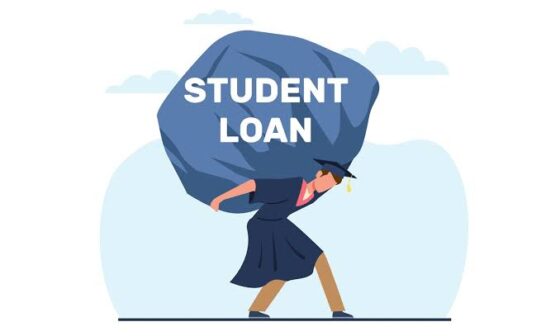
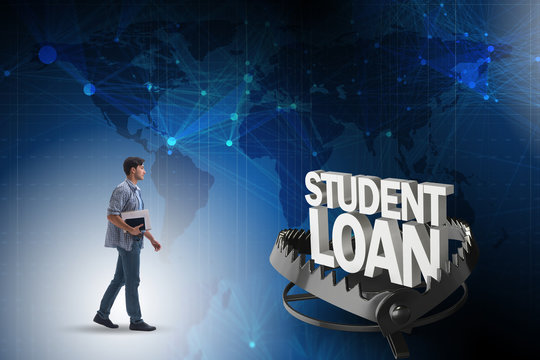
But over time, that “small monthly payment” can become a financial trap that keeps you working harder without actually moving forward.
In many cases, graduates end up paying so much interest that it feels like they’re working for free.
Let’s break down exactly how this happens, and how to avoid it.
 Delayed Admissions and Your Study Abroad Budget: Powerful Ways t0 Avoid Financial Stress
Student Loan Mistake: Why Minimum Payments Feel Safe
When repayment begins, lenders usually present a minimum payment option.
And honestly, after graduation, that can feel like a relief.
You’re:
- Looking for work
- Paying rent
- Managing bills
- Trying to survive adulthood
So naturally, lower payments sound attractive.
But here’s the catch:
Lower monthly payments usually mean longer repayment periods, and significantly more interest.
According to
https://www.investopedia.com/powerful-ways-to-pay-off-student-loans-fast-4775203
(anchor: powerful ways to pay off student loans fast),
stretching repayment over longer periods can dramatically increase total loan costs.
Student Loan Interest Trap: How Graduates End Up Paying Double
Interest is the invisible force most borrowers underestimate.
Here’s what happens
- Interest accumulates daily or monthly
- Small payments mostly cover interest
- The principal barely decreases
So even after years of payments, many graduates still owe nearly the same amount they borrowed.
That’s the trap.
Graduate Debt Problems: Why It Feels Like Working for Free
Imagine earning a salary but watching huge portions disappear into debt payments every month.
That’s the reality for many graduates.
The emotional impact includes:
- Delayed savings
- Financial stress
- Limited career freedom
- Burnout
Instead of building wealth, they’re constantly servicing debt.
Comparison Table: Minimum Payments vs Aggressive Repayment
| Factor | Minimum Payments | Aggressive Repayment |
|---|---|---|
| Monthly Payment | Lower | Higher |
| Total Interest Paid | Much higher | Lower |
| Repayment Duration | Longer | Shorter |
| Financial Freedom | Delayed | Faster |
| Stress Over Time | Higher | Lower |
Student Loan Repayment Mistakes That Cost Thousands
Minimum payments are only one part of the problem.
Other common mistakes
- Ignoring interest rates
- Missing payments
- Not refinancing when possible
- Living beyond your means after graduation
How Graduates Lose Money on Loans Without Realizing It
The scary part is how subtle this becomes.
Many people assume:
- “As long as I’m paying, I’m making progress.”
But if most of your payment goes toward interest, progress can be painfully slow.
According to
https://www.nerdwallet.com/article/loans/student-loans/amazing-student-loan-repayment-strategies
(anchor: amazing student loan repayment strategies),
even small extra payments toward principal can significantly reduce total repayment costs.
Paying Student Loans Efficiently: The Smarter Alternative
The goal isn’t just paying loans, it’s paying them strategically.
Smart repayment habits
- Pay more than the minimum when possible
- Make biweekly payments
- Target high-interest loans first
- Automate payments
Student Loan Interest Trap: Why Time Matters More Than Amount

One overlooked truth about loans:
Time can cost more than the original debt.
A loan stretched over 10–20 years can accumulate enormous interest, even if the monthly payment feels affordable.
Avoid Student Loan Debt Mistakes: Create a Repayment Plan Early
The best time to plan repayment is before panic sets in.
Create a simple strategy
- List all loans
- Identify interest rates
- Prioritize high-interest debt
- Set realistic monthly goals
Graduate Debt Problems: Lifestyle Inflation Makes Things Worse
One major trap after graduation is lifestyle inflation.
You finally start earning money so naturally, you want to enjoy it.
But upgrading your lifestyle too quickly can slow debt progress dramatically.
Examples
- Expensive apartments
- Car payments
- Luxury spending
- Frequent travel
Student Loan Repayment Mistakes: Ignoring Refinancing Options
Some graduates never explore refinancing.
That can be costly.
Refinancing may help by:
- Lowering interest rates
- Reducing monthly payments
- Shortening repayment time
Resources like
https://www.forbes.com/advisor/student-loans/powerful-student-loan-refinancing-tips/
(anchor: powerful student loan refinancing tips)
explain how refinancing can reduce long-term costs for qualified borrowers.
How Graduates Lose Money on Loans Through Emotional Decisions
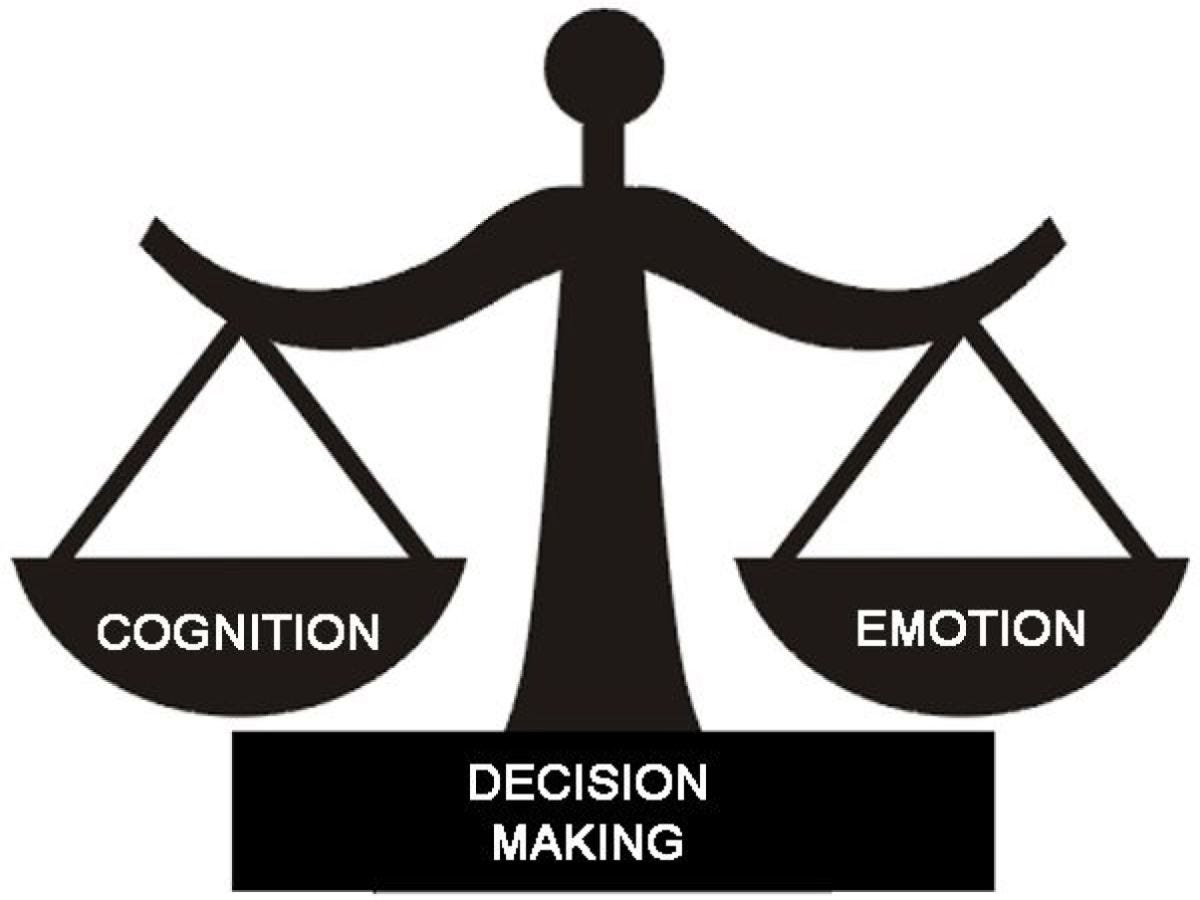
Debt is emotional.
That’s why many people:
- Avoid checking balances
- Delay payments
- Ignore financial planning
But avoidance makes the problem worse.
Paying Student Loans Efficiently: Small Changes Matter
You don’t always need huge payments to make progress.
Small changes that help
- Extra $50 monthly payments
- Tax refund lump sums
- Side income toward principal
Over time, these adjustments create major savings.
Student Loan Mistake: Delaying Career Growth Because of Debt
Heavy debt can influence career decisions.
Many graduates:
- Stay in jobs they dislike
- Avoid entrepreneurship
- Delay relocation opportunities
Because debt limits flexibility.
The Psychological Weight of Long-Term Debt
Beyond finances, long-term debt affects mental well-being.
Common effects
- Anxiety
- Burnout
- Decision fatigue
That’s why smart repayment isn’t just financial, it’s emotional freedom too.
Avoid Student Loan Debt Mistakes: Build an Emergency Fund Too

Aggressive repayment matters, but so does stability.
Balance is important
- Pay debt consistently
- Keep emergency savings
- Avoid new high-interest debt
Student Loan Interest Trap: Why Early Action Matters Most
The earlier you attack student debt, the more money you save.
Even one or two years of focused repayment can make a massive difference.
According to
https://studentaid.gov/manage-loans/repayment/powerful-repayment-options
(anchor: powerful repayment options for student loans),
understanding repayment plans early helps borrowers avoid unnecessary long-term costs.
Key Takeaway: The Goal Isn’t Just Repayment, It’s Freedom
Student loans don’t have to control your life.
But the mistake many graduates make is assuming minimum payments are enough.
They’re often enough to keep you stuck.
The real goal isn’t simply paying your loans.
It’s reclaiming:
- Your income
- Your flexibility
- Your future
And that starts by understanding how the system works before it quietly drains years of your financial life.
Quick Recap Checklist
- Avoid relying only on minimum payments
- Understand how interest works
- Prioritize high-interest debt
- Make extra payments when possible
- Avoid lifestyle inflation
- Explore refinancing strategically