Paying Off Student Loans Early: How Much Could You Really Save?
Student loans are a looming financial challenge for many recent graduates. Whether you’ve just graduated or are well into repaying your debt, you’ve likely asked yourself: Is it worth it to pay off my student loans early? Could I save money by doing so? The answer to that question is nuanced, and in this post, we’ll break down how much you could really save by paying off your student loans ahead of schedule.
If you’re wondering whether it’s smart to throw extra money at your loan, or if it’s better to focus on other financial goals, you’re in the right place. Let’s dig in and explore the details.
 Smart Backup Plans When Financial Aid Doesn’t Cover All Costs (Pr0ven Student Guide)
Why Paying Off Student Loans Early Matters
When it comes to loans, the longer you take to pay them off, the more you pay in interest. This is particularly true for federal student loans and private loans with high-interest rates. The interest on these loans is often compounded, meaning the longer it takes to repay, the more the interest piles up. By paying off your loans early, you reduce the principal faster, which means you can significantly decrease the total amount of interest paid over the life of the loan.
Many graduates opt for the standard 10-year repayment plan for federal loans, but that doesn’t mean you have to stick to it. If you have the financial means, paying off your loans early can save you thousands of dollars in interest.
https://www.finaid.org/loans/repaying/earlypayment.shtml
Anchor Text: Early repayment strategies for student loans.
How Does Interest Affect Your Loan Repayment?
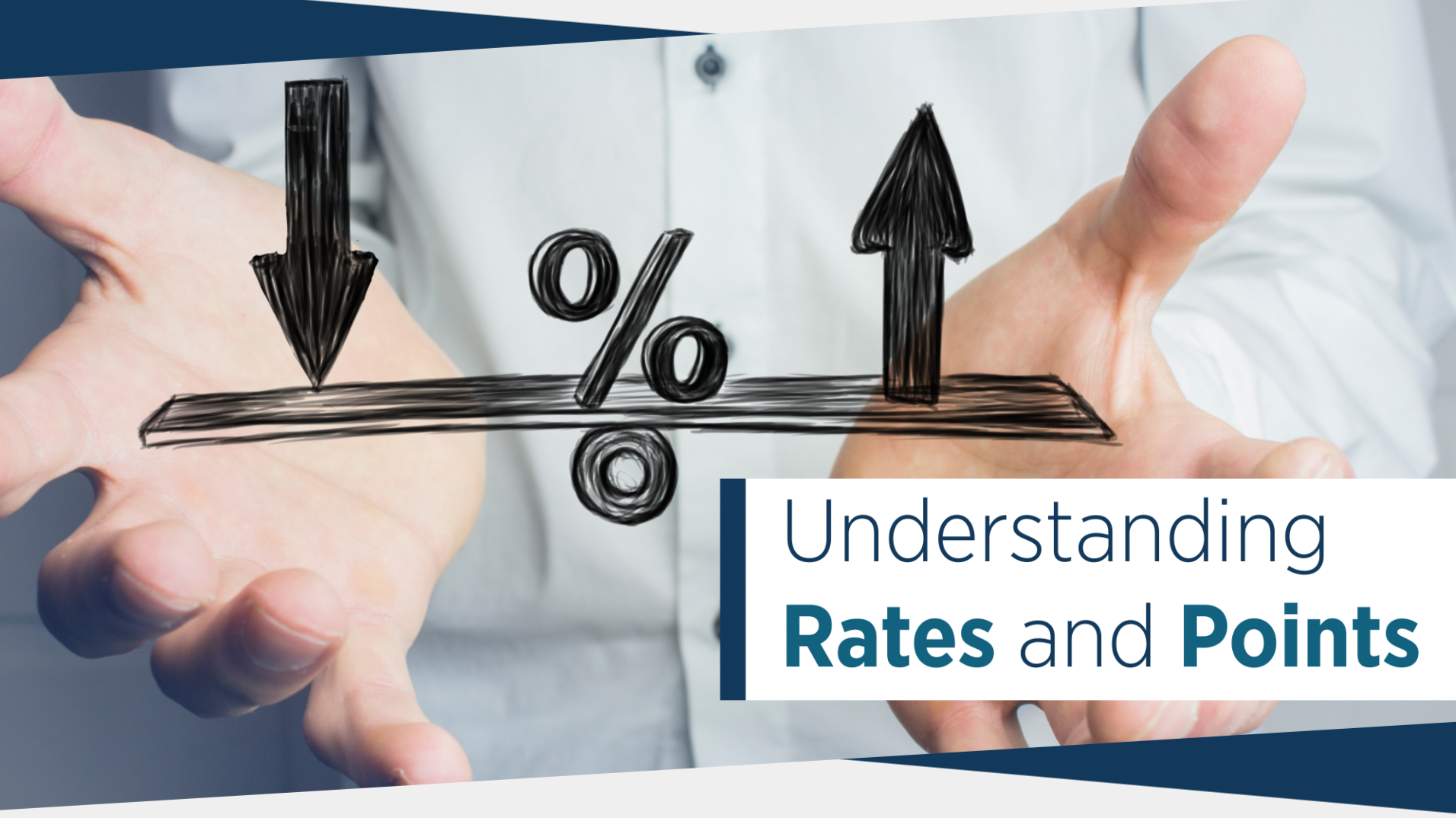
To understand the real benefit of paying off student loans early, let’s break down how interest works.
Understanding Interest on Student Loans
Federal student loans have fixed interest rates, and private student loans may have either fixed or variable rates. The rates typically range from around 3% to 7%, but they can vary based on your loan type and when you took out the loan. Let’s assume you have a $30,000 loan with an interest rate of 5% over a standard 10-year repayment term.
If you pay the minimum monthly payment on your loan, which is typically calculated to pay off the loan within 10 years, you would pay the following:
- Monthly payment: $318
- Total paid over 10 years: $38,160
- Total interest paid: $8,160
However, if you decide to pay off the loan early, the savings can be substantial. For example, if you were to pay an additional $100 per month, your loan would be paid off in about 7.5 years, and you would pay only $6,626 in interest, saving you $1,534 in interest alone.
The Real Savings: How Much Could You Really Save by Paying Off Early?
Paying off student loans early offers a range of benefits, including substantial savings on interest and the ability to achieve financial freedom sooner. The key here is understanding how making extra payments reduces the amount of interest you pay.
Here’s a simple breakdown of potential savings based on different repayment strategies:
| Loan Balance | Interest Rate | Standard 10-Year Term | Extra Monthly Payment | Time to Pay Off | Total Interest Saved |
|---|---|---|---|---|---|
| $30,000 | 5% | 10 years | $100 | 7.5 years | $1,534 |
| $30,000 | 6% | 10 years | $150 | 7 years | $2,361 |
| $50,000 | 4% | 10 years | $200 | 7 years | $3,186 |
As you can see, increasing your monthly payment can reduce the overall interest you pay, but the bigger impact comes from paying off loans faster. Every extra dollar put toward the principal helps lower your interest payments.
https://www.consumerfinance.gov/ask-cfpb/category-loans/
Anchor Text: Loan information and guidance.
Should You Pay Off Your Loan Early or Save for Other Goals?
While paying off student loans early is an attractive option, it’s essential to weigh it against other financial goals, such as saving for retirement, building an emergency fund, or even investing. The decision ultimately depends on your specific financial situation.
Paying Off Loans vs. Saving for Retirement
One key consideration is the interest rate on your student loans compared to the potential return on investments. For example, if your loan’s interest rate is 5% and you’re able to earn an 8% return on a retirement investment, it may be more beneficial to invest rather than pay off the loan early. However, this depends on your risk tolerance and long-term financial goals.
If you’re unsure about how to balance student loan repayment and investing, consider speaking with a financial advisor. There are times when investing while making regular student loan payments is more beneficial in the long run.
The Pros and Cons of Paying Off Student Loans Early

Like any financial strategy, there are both pros and cons to paying off student loans early. Here’s a quick breakdown:
Pros:
- Interest Savings: Paying off loans early can save you significant money by reducing the amount of interest paid.
- Financial Freedom: Eliminating your debt gives you more flexibility in your budget and a greater sense of financial security.
- Improved Credit Score: Paying down debt can improve your credit score, which could lead to better financial options down the road.
Cons:
- Opportunity Cost: By putting extra money toward your loans, you might miss opportunities to invest or save for other goals, like buying a house or building an emergency fund.
- Liquidity Risk: Putting all your money into loan repayment could leave you with less cash on hand for emergencies or unexpected expenses.
When Should You Pay Off Student Loans Early?
Deciding when to pay off your student loans early depends on several factors, such as your financial goals and loan terms. Here are a few things to consider:
- Financial Stability: Ensure you have an emergency fund (typically 3–6 months of living expenses) before focusing on early repayment.
- Loan Terms: If your loan has a high interest rate, it might make sense to pay it off sooner.
- Other Financial Goals: If you have other high-interest debt or an investment opportunity with higher returns than your loan interest, prioritize those first.
How to Pay Off Your Loans Faster: Practical Tips
If you’ve decided to take the plunge and pay off your loans early, here are some practical tips:
- Make Biweekly Payments: Rather than paying monthly, split your payment in half and pay every two weeks. This results in an extra payment each year.
- Round Up Your Payments: Round up your monthly payment to the nearest hundred to accelerate your repayment schedule.
- Make Lump-Sum Payments: Whenever you receive a windfall—such as a tax refund, bonus, or gift—put some or all of it toward your loan.
Conclusion: Is Paying Off Your Loans Early Worth It?
The short answer is yes paying off student loans early can save you money in the long run, especially on interest. However, it’s important to balance this with other financial goals, such as building your retirement savings or investing in other assets.
By understanding the mechanics of your student loan interest and creating a strategic plan, you can make an informed decision that aligns with your overall financial health. Whether you choose to pay off your loans early or stick to the standard repayment schedule, having a clear strategy will help you navigate your student loan journey more effectively.
So, the next time you get a bit of extra cash, you can decide if it’s best to put it toward your loans or save it for something else. Either way, you’re making smart financial choices.