How Exchange Rate Fluctuations Can Increase Your International Student Debt Overnight
For many students pursuing an education abroad, tuition fees, accommodation costs, and living expenses are already significant financial challenges. However, there’s one often-overlooked factor that can quietly add thousands of dollars to your education costs without warning: exchange rate fluctuations.
Imagine waking up one morning to discover that your home currency has weakened against the U.S. dollar, British pound, or euro. Overnight, your tuition payment suddenly costs 15% more. Your monthly rent becomes more expensive. Even worse, if you have loans denominated in a foreign currency, your debt burden can increase despite making regular repayments.

This isn’t a hypothetical scenario. It happens regularly to international students around the world, especially those from countries with volatile currencies. Understanding how exchange rate fluctuations affect international student debt can help you make smarter financial decisions and avoid unpleasant surprises.
Exchange Rate Fluctuations and International Student Debt: Understanding the Connection
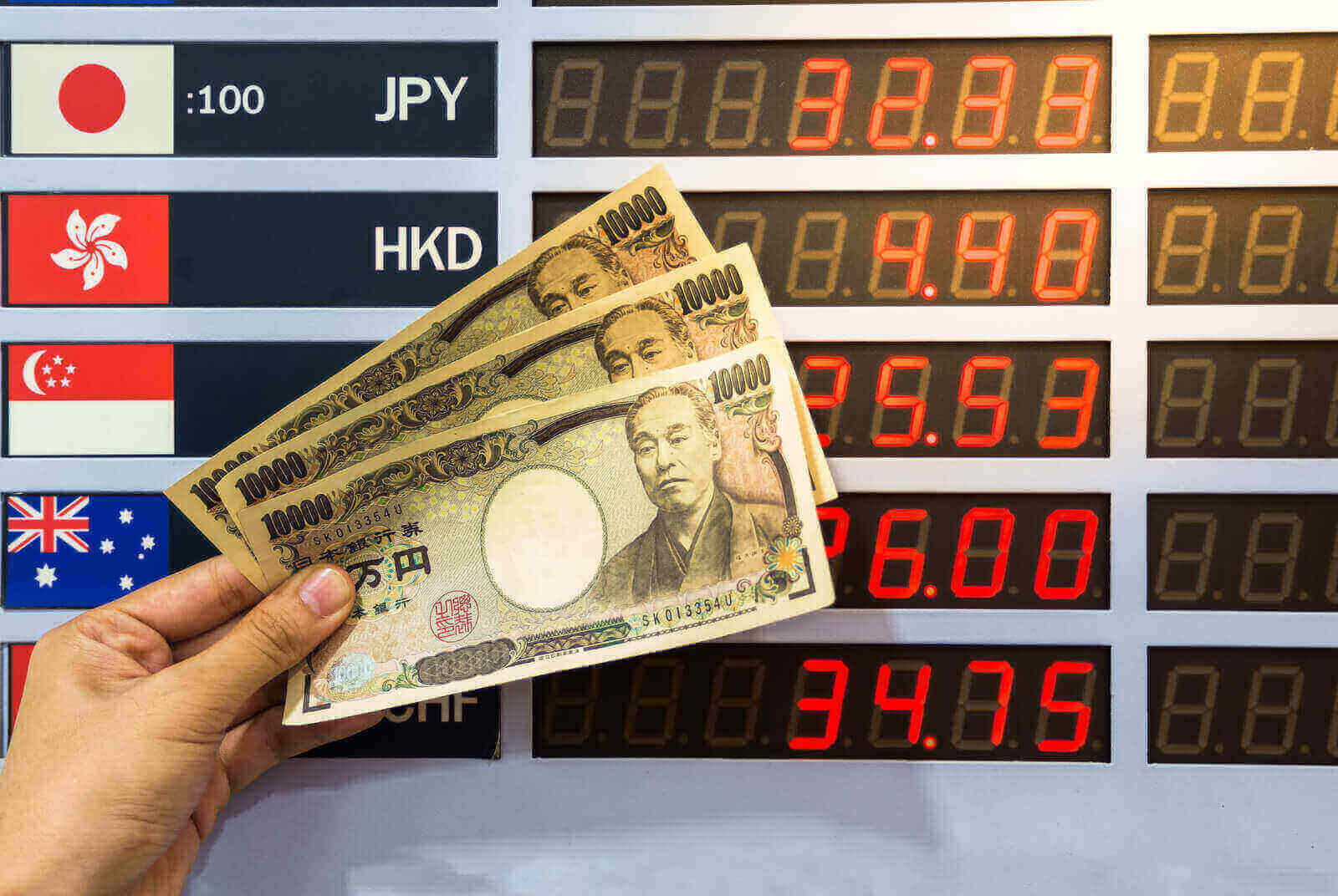
An exchange rate determines how much one currency is worth relative to another. These rates change constantly based on economic conditions, inflation, interest rates, trade balances, and investor confidence.
According to the latest data from the OECD’s education financing research, international students increasingly contribute significant tuition revenue to universities worldwide, making foreign currency exposure a growing concern for student finances.
Here’s a simple example:
| Scenario | Exchange Rate | Tuition Fee (USD 20,000) | Cost in Local Currency |
|---|---|---|---|
| Before Currency Drop | 500 Local Units = $1 | $20,000 | 10,000,000 Local Units |
| After Currency Drop | 650 Local Units = $1 | $20,000 | 13,000,000 Local Units |
Without any increase in tuition fees, the student suddenly needs an additional 3,000,000 local currency units simply because of exchange rate movements.
This is why exchange rate fluctuations can effectively increase international student debt overnight.
How Exchange Rate Fluctuations Increase International Student Debt
Higher Tuition Payments Due to Exchange Rate Fluctuations
Most international universities charge tuition in their local currency.
For example:
- U.S. universities charge in U.S. dollars
- UK universities charge in British pounds
- European institutions often charge in euros
- Canadian universities charge in Canadian dollars
When your home currency weakens, every tuition payment becomes more expensive.
Students often budget based on current exchange rates. However, currency markets can move significantly within weeks or months, creating unexpected funding gaps.
The OECD notes that tertiary education financing increasingly involves private household contributions, making students and families more exposed to financial risks such as currency volatility.
Exchange Rate Fluctuations and Foreign Currency Student Loans
One of the biggest risks arises when students borrow money in a foreign currency.
Let’s say:
- A student from Nigeria takes a $30,000 student loan.
- At the time of borrowing, the exchange rate is ₦1,000 per dollar.
- Total debt equals ₦30 million.
If the exchange rate later moves to ₦1,500 per dollar:
- The same $30,000 debt now equals ₦45 million.
The student’s debt has effectively increased by 50% in local currency terms, even though the loan balance in dollars remains unchanged.
This type of currency mismatch has affected borrowers worldwide and remains one of the most significant financial risks associated with international education.
Why Currency Depreciation Hits International Students Hardest
Exchange Rate Fluctuations Affect Every Major Expense
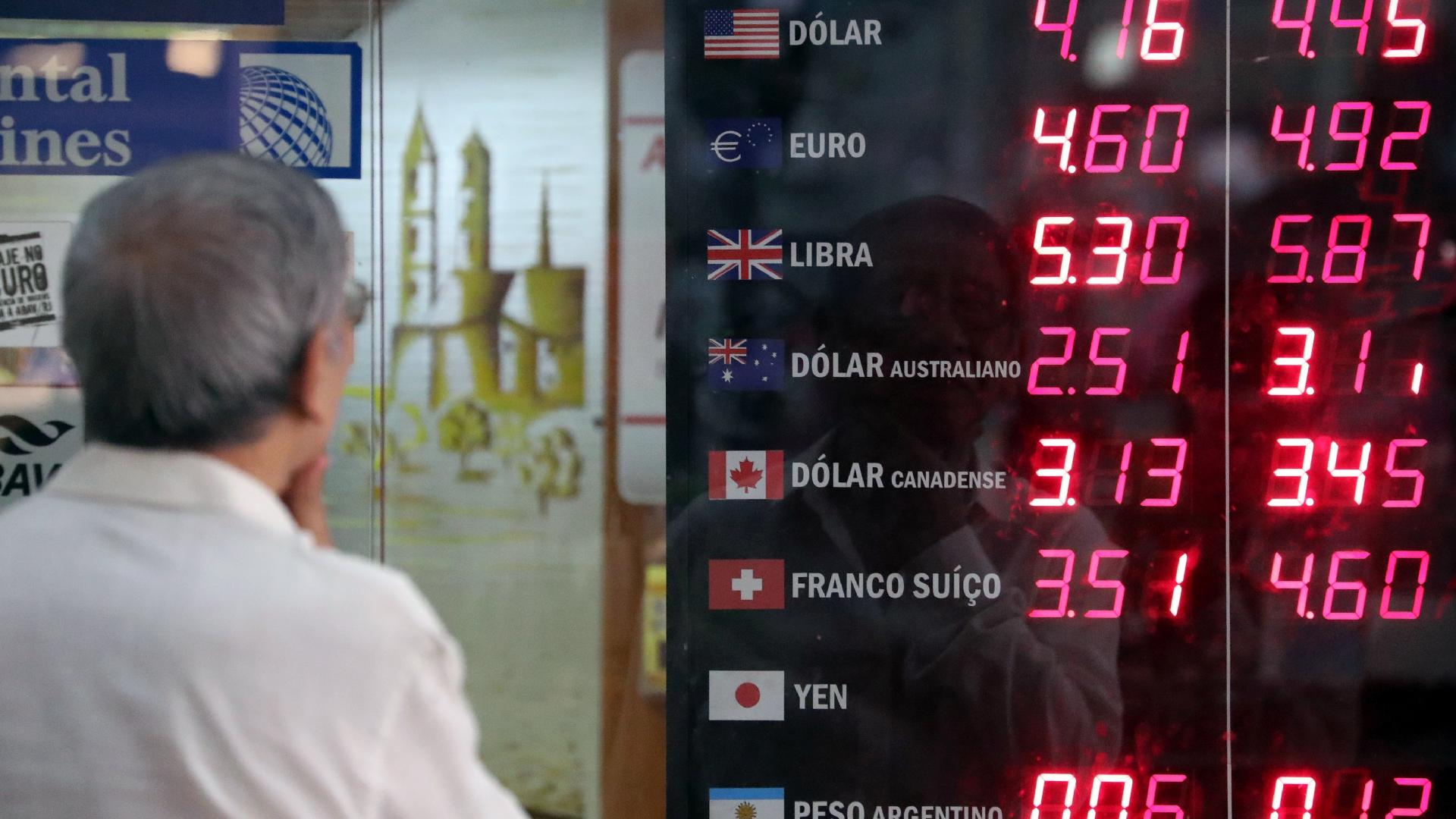
Many students focus only on tuition fees, but exchange rate changes impact nearly every aspect of student life.
Common expenses affected include:
- Tuition fees
- Student housing
- Utilities
- Food and groceries
- Transportation
- Health insurance
- Textbooks
- Visa renewal fees
- Travel expenses
When your currency depreciates, all these costs rise simultaneously.
A student may successfully secure enough funding at the start of their degree only to find that currency movements make that funding inadequate later.
Exchange Rate Fluctuations Create Budget Uncertainty
One of the most frustrating aspects of currency volatility is unpredictability.
Unlike tuition increases, which universities usually announce in advance, exchange rates can change daily.
Factors influencing currency movements include:
- Inflation
- Interest rate changes
- Political instability
- Economic growth expectations
- Global market sentiment
- Trade balances
As explained by global economic discussions on currency valuation, exchange rates are primarily driven by supply and demand dynamics rather than fixed government pricing in many countries.
This means students can face sudden financial pressure with little warning.
Real-World Examples of Exchange Rate Fluctuations Increasing International Student Debt
Over the past decade, several currencies have experienced sharp depreciations against major study-abroad currencies.
Examples include:
Nigerian Naira
Following foreign exchange reforms, the naira experienced significant volatility against the U.S. dollar, increasing education costs for students studying abroad.
Turkish Lira
Turkish students studying in Europe and North America have seen overseas education costs rise dramatically due to sustained currency weakness.
Argentine Peso
Argentina’s recurring currency instability has made foreign tuition increasingly expensive for students relying on local currency income.
South Korean Won
Recent exchange rate pressures have raised concerns about rising import and overseas payment costs, illustrating how currency shifts affect international obligations.
Many graduates assume the challenge ends after finishing university.
Unfortunately, exchange rate risk often continues long after graduation.
Consider this scenario:
- Student graduates with a $50,000 loan.
- Returns home and earns income in local currency.
- Local currency weakens substantially.
Monthly repayments suddenly consume a larger percentage of income.
This can:
- Extend repayment periods
- Increase financial stress
- Delay major life goals
- Reduce savings capacity
- Increase default risk
For some graduates, exchange rate fluctuations become a long-term financial burden lasting years after completing their studies.
How Exchange Rate Fluctuations Affect Study Abroad Planning
Before committing to international education, students should evaluate more than tuition fees.
Key considerations include:
Currency Stability
Research whether your home currency has a history of:
- High inflation
- Sharp devaluations
- Foreign exchange shortages
- Political instability
Loan Currency
Ask:
- Is the loan issued in local currency?
- Is repayment tied to foreign exchange rates?
- Does the lender offer currency protection?
Emergency Funding
Build a financial buffer to absorb unexpected exchange rate movements.
Many financial advisors recommend maintaining additional reserves specifically for currency-related risks.
Strategies to Protect Yourself from Exchange Rate Fluctuations and International Student Debt
While no strategy eliminates currency risk entirely, several approaches can reduce exposure.
Diversify Savings
Holding part of your education fund in the currency you’ll eventually spend can reduce exchange rate shocks.
Pay Tuition Early
If rates are favorable, prepaying tuition may help lock in lower costs.
Monitor Currency Trends
Regularly track:
- Central bank announcements
- Inflation reports
- Economic forecasts
Build a Currency Buffer
Plan for at least a 10%–20% adverse exchange rate movement when budgeting.
Explore Scholarship Opportunities
Scholarships reduce reliance on foreign-currency borrowing and lower overall financial risk.
Exchange Rate Fluctuations and International Student Debt: Key Risk Factors
| Risk Factor | Impact on Students |
|---|---|
| Currency Depreciation | Higher tuition and living costs |
| Foreign Currency Loans | Larger debt burden |
| Inflation | Increased cost of study abroad |
| Exchange Rate Volatility | Budget uncertainty |
| Weak Local Economy | Reduced purchasing power |
| Long-Term Loan Repayment | Higher repayment costs |
Understanding these factors can help students make more informed financial decisions before studying abroad.
Why Exchange Rate Fluctuations Matter More Today Than Ever
Global education has become increasingly international.
The OECD reports that international student mobility continues to grow, with substantial numbers of students crossing borders for higher education opportunities.
At the same time:
- Global economic uncertainty remains elevated.
- Currency markets react quickly to geopolitical events.
- Inflation pressures continue affecting many economies.
- Interest rate changes create additional exchange rate volatility.
As a result, exchange rate fluctuations have become one of the most important financial risks facing international students.
Final Thoughts on Exchange Rate Fluctuations and International Student Debt
Studying abroad can be one of the most rewarding investments you’ll ever make. The opportunity to gain a world-class education, develop international experience, and expand career opportunities often justifies the financial commitment.
However, exchange rate fluctuations can dramatically alter the true cost of that investment.
A weakened home currency can increase tuition costs, inflate living expenses, and expand loan balances almost overnight. For students relying on foreign currency loans or family support from abroad, these effects can be especially severe.
The good news is that awareness is the first line of defense. By understanding how exchange rate fluctuations affect international student debt, planning conservatively, and building financial flexibility into your study-abroad budget, you can reduce the impact of currency volatility and stay focused on what matters most: your education and future career.