Soft Skills That Hiring Managers Are Secretly Ranking You On
Most job seekers believe hiring decisions are based primarily on qualifications, certifications, technical skills, and work experience.
While those factors certainly matter, they are often not what separates the candidate who gets the offer from the candidate who receives the rejection email.
In today’s competitive job market, hiring managers are quietly evaluating something else.
Something that rarely appears on a résumé.
Something that can completely change how employers perceive you.
That something is soft skills.
The reality is that employers are not just hiring workers. They are hiring teammates, communicators, problem-solvers, leaders, and professionals who can adapt to changing workplace environments.
According to the World Economic Forum’s Future of Jobs Report, employers increasingly prioritize human-centred skills such as communication, adaptability, collaboration, and critical thinking alongside technical competencies.
You can explore the report here:
The surprising part is that hiring managers often begin assessing these qualities long before formal interview questions start.
Many candidates never realize they are being evaluated.
 What Most Students Overlook When Applying for Financial Aid: 15 Costly Mistakes You Must Avoid
This article explores the soft skills hiring managers are secretly ranking you on and how developing them can dramatically improve your career prospects.
Soft Skills That Hiring Managers Are Secretly Ranking You On During Every Interaction
Most interviews begin before the interview actually begins.
From your first email to your final thank-you message, hiring managers are gathering information.
They are asking themselves questions such as:
- Is this person professional?
- Can they communicate effectively?
- Will they fit into our culture?
- Can they handle pressure?
- Will they work well with others?
The answers often come from observing soft skills rather than technical expertise.
Why Soft Skills Employers Want Matter More Than Ever
Automation, artificial intelligence, and digital transformation are changing workplaces worldwide.
Technical skills evolve rapidly.
However, certain human abilities remain consistently valuable.
These include:
- Communication
- Emotional intelligence
- Leadership
- Teamwork
- Adaptability
- Critical thinking
According to LinkedIn’s Workplace Learning Report, soft skills continue to rank among the most sought-after competencies across industries.
Professionals can learn more at: HERE
Employers understand that technical skills can often be taught.
Attitude and interpersonal effectiveness are much harder to develop.
Top Soft Skills for Jobs: Communication Skills
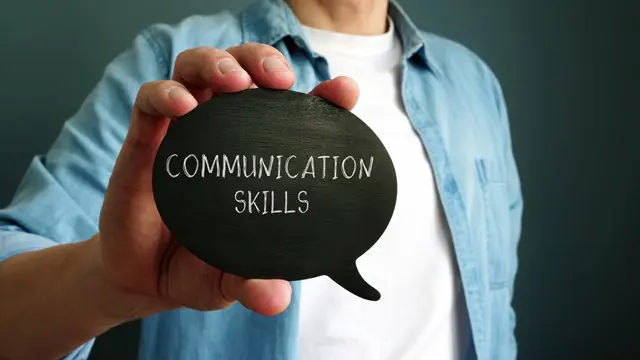
Communication remains one of the most important workplace competencies.
Hiring managers evaluate communication through:
- Email quality
- Interview responses
- Listening ability
- Professional language
- Presentation skills
Strong communicators:
- Express ideas clearly
- Ask thoughtful questions
- Listen actively
- Avoid misunderstandings
Poor communication often creates workplace inefficiencies and conflict.
As a result, employers pay close attention to how candidates communicate throughout the hiring process.
Workplace Soft Skills: Emotional Intelligence
Emotional intelligence refers to the ability to recognize, understand, and manage emotions effectively.
This skill influences:
- Team collaboration
- Conflict resolution
- Leadership effectiveness
- Customer interactions
Hiring managers often assess emotional intelligence indirectly.
They observe:
- Reactions to difficult questions
- Responses to feedback
- Behaviour under pressure
- Interpersonal awareness
Candidates who demonstrate maturity and self-awareness often stand out positively.
Table: Soft Skills vs Technical Skills in Hiring Decisions
| Technical Skills | Soft Skills |
|---|---|
| Can be taught through training | Often developed through experience |
| Demonstrate job capability | Demonstrate workplace effectiveness |
| Measured through certifications | Measured through behaviour |
| Essential for role performance | Essential for career growth |
| Help secure interviews | Help secure job offers |
The strongest candidates combine both skill categories effectively.
Soft Skills Employers Want: Adaptability
The workplace changes rapidly.
New technologies emerge.
Business priorities shift.
Unexpected challenges arise.
Employers increasingly seek candidates who can adapt.
Adaptability demonstrates:
- Flexibility
- Learning agility
- Resilience
- Openness to change
Hiring managers often ask behavioural questions specifically designed to evaluate adaptability.
Examples include:
- Describe a major change you experienced.
- Tell us about a time you had to learn something quickly.
- Explain how you handled uncertainty.
Your answers reveal much more than technical competence.
Most Important Soft Skills: Problem-Solving Ability

Every organization faces challenges.
Employees who can identify solutions create significant value.
Problem-solving involves:
- Analytical thinking
- Creativity
- Decision-making
- Resourcefulness
Hiring managers frequently evaluate how candidates approach hypothetical scenarios.
They want to understand:
- How you think
- How you prioritize
- How you handle complexity
Problem-solvers often become future leaders.
Career Success Skills: Teamwork and Collaboration
Very few jobs operate in complete isolation.
Most roles require collaboration.
Hiring managers assess teamwork through:
- Examples from previous experiences
- Attitudes toward colleagues
- Ability to share credit
- Willingness to support others
Candidates who constantly emphasize personal achievements without acknowledging team contributions may unintentionally raise concerns.
Employers value individuals who strengthen teams.
Professional Soft Skills: Accountability

Accountability is one of the most underrated professional qualities.
Employers want individuals who:
- Meet deadlines
- Accept responsibility
- Follow through on commitments
- Learn from mistakes
During interviews, hiring managers often pay close attention to how candidates discuss failures.
Do they blame others?
Or do they demonstrate ownership and growth?
The answer matters.
Hiring Manager Interview Tips: How Recruiters Assess Confidence
Confidence is not about arrogance.
It is about competence combined with self-belief.
Hiring managers evaluate confidence through:
- Body language
- Eye contact
- Tone of voice
- Response quality
Confident candidates typically:
- Communicate clearly
- Remain composed
- Answer thoughtfully
- Engage naturally
Confidence reassures employers that you can handle responsibilities effectively.
Communication Skills for Employment: Active Listening
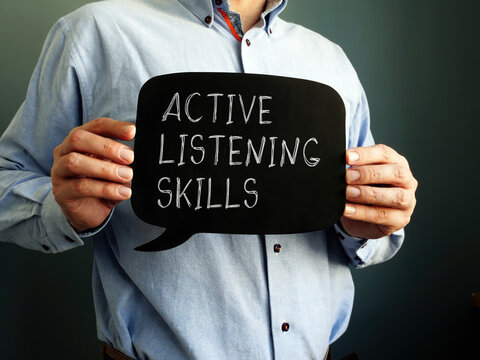
Many candidates focus exclusively on speaking well.
Listening is equally important.
Active listening demonstrates:
- Respect
- Attention to detail
- Curiosity
- Professionalism
Hiring managers often notice whether candidates:
- Interrupt frequently
- Answer irrelevant questions
- Fail to acknowledge key information
Strong listeners typically perform better in collaborative environments.
Soft Skills That Hiring Managers Are Secretly Ranking You On: Leadership Potential
Leadership is not limited to management roles.
Employers seek individuals who can:
- Take initiative
- Influence positively
- Solve problems
- Support colleagues
Leadership potential often appears through examples of:
- Volunteer work
- Student organizations
- Community involvement
- Workplace initiatives
Even entry-level candidates can demonstrate leadership.
Workplace Soft Skills: Time Management
Deadlines drive business performance.
Employers value individuals who can manage responsibilities efficiently.
Time management demonstrates:
- Organization
- Prioritization
- Reliability
- Discipline
Interview questions about workload management often reveal this skill.
Candidates who provide structured, practical examples tend to impress hiring managers.
Top Soft Skills for Jobs: Critical Thinking
Critical thinking has become increasingly valuable in modern workplaces.
Employees face constant information overload.
Critical thinkers can:
- Evaluate evidence
- Challenge assumptions
- Make informed decisions
- Solve complex problems
According to research published by the National Association of Colleges and Employers, critical thinking consistently ranks among employers’ most desired competencies.
Additional insights are available at: HERE
Soft Skills Employers Want: Cultural Awareness
Modern workplaces are increasingly diverse.
Employees interact with people from different:
- Backgrounds
- Cultures
- Perspectives
- Experiences
Cultural awareness supports:
- Collaboration
- Inclusion
- Communication
- Innovation
Hiring managers appreciate candidates who demonstrate respect and openness.
Career Success Skills: Resilience
Challenges are inevitable.
Projects fail.
Markets change.
Unexpected obstacles emerge.
Resilience allows professionals to recover, adapt, and continue progressing.
Hiring managers often evaluate resilience through questions about setbacks and adversity.
Strong candidates demonstrate learning and growth rather than frustration.
How to Develop Soft Skills Employers Value
Fortunately, soft skills can be improved.
Practical strategies include:
Seek Feedback
Ask mentors, colleagues, and supervisors for honest input.
Practice Communication
Participate in presentations, discussions, and networking opportunities.
Take Leadership Opportunities
Volunteer for projects and initiatives.
Reflect Regularly
Identify strengths and areas for improvement.
Expand Your Comfort Zone
Growth often occurs through new experiences.
Consistent practice leads to meaningful improvement.
The Hidden Cost of Ignoring Soft Skills
Many professionals focus exclusively on technical expertise.
While technical competence is important, ignoring soft skills can limit career progression.
Poor soft skills can lead to:
- Missed promotions
- Workplace conflict
- Communication problems
- Reduced leadership opportunities
In contrast, strong soft skills often accelerate professional growth.
Why Soft Skills Are Becoming More Valuable in the AI Era
Artificial intelligence is transforming industries.
However, AI cannot fully replace:
- Empathy
- Emotional intelligence
- Relationship building
- Leadership
- Human judgment
As technology advances, uniquely human skills become even more valuable.
The future workplace will likely reward professionals who combine technical expertise with strong interpersonal capabilities.
Final Thoughts on Soft Skills That Hiring Managers Are Secretly Ranking You On
Many candidates spend years developing technical skills.
Far fewer invest intentionally in soft skills.
Yet hiring managers evaluate these qualities constantly.
From communication and teamwork to adaptability and emotional intelligence, these hidden factors often determine who receives opportunities and who gets overlooked.
The strongest professionals understand that career success requires more than knowledge.
It requires the ability to work effectively with people, solve problems, adapt to change, and communicate clearly.
In today’s competitive job market, mastering soft skills may be one of the smartest investments you can make.
Conclusion
If you want to stand out in interviews, earn promotions, and build a successful long-term career, focus on more than qualifications alone.
Develop the soft skills hiring managers are secretly ranking you on.
Remember:
- Communication matters.
- Emotional intelligence matters.
- Adaptability matters.
- Leadership matters.
- Accountability matters.
Technical skills may get you noticed.
Soft skills often determine whether you get hired.